
Categories
Top Posts
GST Return Filing

Legal Services

Taxpayers

GST Return Filing

Legal Services

Legal Services

GST Registration

Taxpayers

Legal Services

Legal Services

Taxpayers

Legal Services

Taxpayers

Legal Services

GST Registration

Taxpayers

Legal Services

Legal Services

Legal Services

Legal Services

Legal Services

EPR Management

EPR Management

Legal Services

Legal Services
Taxpayers
Social Audit

Taxpayers
GST Return Filing
Legal Services
Legal Services

Legal Services

GST Return Filing

GST Registration

Legal Services
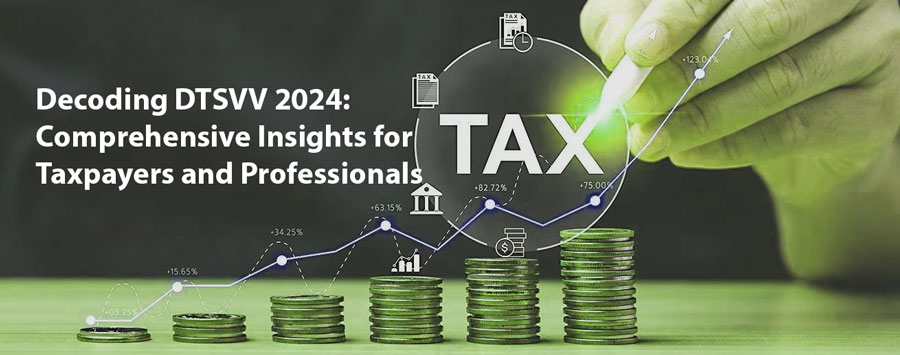
Decoding DTSVV 2024: Comprehensive Insights for Taxpayers and Professionals
Posted: 2 years ago
The Union Budget 2024 introduced the Direct Tax Vivad Se Vishwas Scheme, 2024 (DTSVV 2024), a successor to the successful Vivad Se Vishwas Scheme (VSV) of 2020. This scheme aims to resolve pending income tax disputes through a one-time settlement option, thereby reducing litigation and enhancing tax compliance.
Key Features of DTSVV 2024:
- Applicability: The scheme covers disputes/appeals pending as on July 22, 2024, before various forums such as the Supreme Court, High Courts, Income Tax Appellate Tribunal, Commissioner/Joint Commissioner (Appeals), Dispute Resolution Panel (DRP), and those where DRP directions have been issued but the final assessment order is awaited.
- Eligibility: Taxpayers with pending income tax disputes, including individuals, businesses, and corporate entities, are eligible to avail of the scheme.
- Settlement Amount: The amount payable by taxpayers opting for the scheme is determined based on the disputed tax amount.
- Key Benefits:
- Reduced Litigation: The scheme provides a platform to resolve disputes amicably, reducing the burden on taxpayers and the judiciary.
- Reduced Financial Burden: Taxpayers may be able to settle their disputes by paying a reduced amount compared to the potential liability in case of an adverse outcome in litigation.
- Certainty and Closure: The scheme offers certainty and closure to taxpayers by resolving pending disputes and avoiding the uncertainties associated with prolonged litigation.
- Immunity from Prosecution: Taxpayers opting for the scheme are granted immunity from any further proceedings related to the settled disputes, including penalties and interest.
Decoding the Scheme for Taxpayers:
- Assess Eligibility: Determine if your pending income tax dispute falls within the scope of DTSVV 2024.
- Calculate Payable Amount: Calculate the amount payable under the scheme based on the disputed tax amount.
- Make a Declaration: File a declaration with the concerned tax authorities opting for the scheme.
- Make Payment: Make the required payment within the specified timeframe.
- Obtain Settlement Order: Upon successful completion of the process, obtain a settlement order from the tax authorities.
Decoding the Scheme for Professionals:
- Stay Updated: Keep abreast of the latest developments, notifications, and circulars related to DTSVV 2024.
- Advise Clients: Guide clients on the eligibility criteria, benefits, and implications of opting for the scheme.
- Assist in Calculations: Assist clients in calculating the payable amount under the scheme.
- Prepare and File Declarations: Prepare and file the necessary declarations with the tax authorities on behalf of clients.
- Ensure Compliance: Ensure compliance with all the requirements and timelines stipulated under the scheme.
Key Considerations for Taxpayers and Professionals:
- Thorough Due Diligence: Conduct thorough due diligence to assess the merits of each case and determine the most suitable course of action.
- Strategic Planning: Develop a strategic plan to maximize the benefits of the scheme while mitigating potential risks.
- Expert Guidance: Seek expert guidance from qualified tax professionals to navigate the complexities of the scheme.
- Timely Action: Act promptly to avail of the benefits of the scheme within the prescribed timelines.
- Transparency and Compliance: Ensure complete transparency and compliance with all the requirements of the scheme.
Conclusion:
DTSVV 2024 presents a significant opportunity for taxpayers and businesses to resolve pending income tax disputes amicably and efficiently. By understanding the key features, benefits, and implications of the scheme, taxpayers and professionals can make informed decisions and maximize the benefits offered.
Disclaimer: This article is intended for informational purposes only and does not constitute professional tax advice. Taxpayers and professionals are advised to consult with qualified tax experts for specific guidance and advice tailored to their individual circumstances.
Note: The information provided in this article is based on the current understanding of DTSVV 2024. The scheme's details and guidelines may be subject to change based on future notifications and clarifications from the tax authorities.
Additional Resources:
- Official Government Website: [Insert link to the official government website for DTSVV 2024]
- Tax Authority Notifications: [Insert links to relevant notifications and circulars issued by the tax authorities]
- Professional Tax Publications: [Insert links to relevant articles and publications from professional tax journals and publications]
Frequently Asked Questions
What is the DTVSV Scheme, 2024?
When did the scheme come into effect?
Who is eligible to apply?
Appeals, writs, or special leave petitions filed by the taxpayer or the income-tax authority before an appellate forum.
Objections filed before the Dispute Resolution Panel (DRP) under Section 144C of the Income-tax Act, 1961, where the DRP has not issued any direction, or the Assessing Officer has not completed the assessment.
Applications filed under Section 264 of the Income-tax Act, 1961.
What are Old Appellant and New Appellant?
New Appellant: Cases where the appeal was filed after January 31, 2020.
What forms are required for the scheme?
Form-1: Declaration and Undertaking by the declarant.
Form-2: Certificate to be issued by the Designated Authority.
Form-3: Intimation of payment by the declarant.
Form-4: Order for Full and Final Settlement of tax arrears by the Designated Authority..
How can one apply under the scheme?
Filing Form-1 with the necessary details.
Receiving Form-2 from the Designated Authority.
Making the payment and submitting Form-3 along with proof of withdrawal of any pending appeals or petitions.
Receiving Form-4 as the final order for settlement..
