
Categories
Top Posts

GST Return Filing

Legal Services

Taxpayers

GST Return Filing

Legal Services

Legal Services

GST Registration

Taxpayers

Legal Services

Legal Services

Taxpayers

Legal Services

Taxpayers

Legal Services

GST Registration

Taxpayers

Legal Services

Legal Services

Legal Services

Legal Services

Legal Services
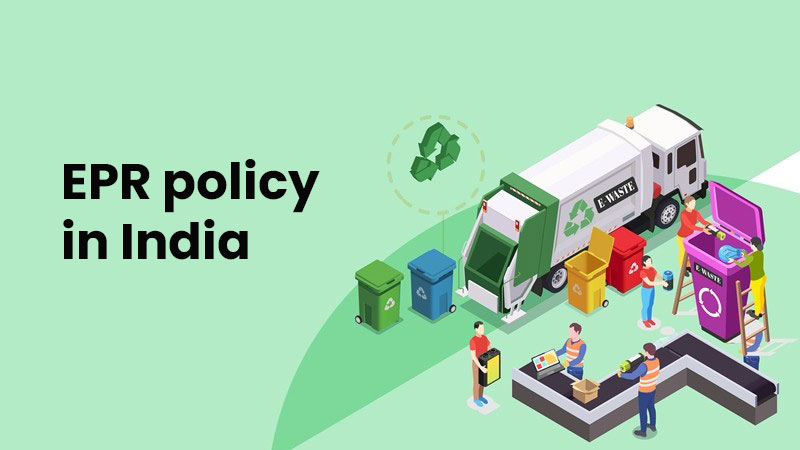
EPR Management

EPR Management

Legal Services

Legal Services

Taxpayers
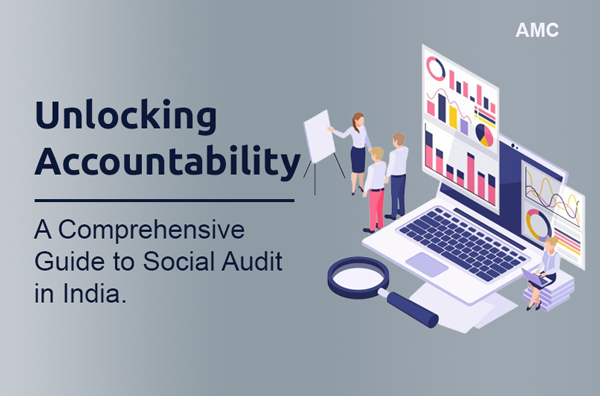
Social Audit

Taxpayers

GST Return Filing

Legal Services

Legal Services

Legal Services

GST Return Filing

GST Registration

Legal Services
One Person Company in India
Posted: one year ago
One Person Company (OPC) in India – A Complete Overview
The concept of One Person Company (OPC) was introduced in India under the Companies Act, 2013, to support solo entrepreneurs and small business owners in registering their businesses as a corporate entity with limited liability. OPC provides the flexibility of a sole proprietorship while offering the advantages of a private limited company.
What is a One Person Company?
A One Person Company is a type of company that can be formed with just one director and one shareholder, who can be the same individual. This business structure is ideal for solo entrepreneurs who want to run a business with a corporate framework and enjoy benefits such as separate legal entity, limited liability, and easier compliance.
Key Features of OPC
- Single Owner: As the name suggests, only one person can be a shareholder.
- Limited Liability: The owner’s liability is limited to the capital investment in the company.
- Separate Legal Entity: An OPC is a separate legal entity distinct from its owner.
- Perpetual Succession: The company can continue to exist even if the sole member dies or becomes incapacitated.
- Nominee Requirement: The sole member must appoint a nominee during incorporation, who will take over in case of the owner’s death or incapacity.
Benefits of Registering an OPC
- Limited Liability Protection: Personal assets are protected as the liability of the owner is limited to their shareholding.
- Credibility and Trust: Being a registered company enhances business credibility and trust with vendors, customers, and financial institutions.
- Separate Legal Entity: The OPC can own assets, enter into contracts, and sue or be sued in its own name.
- Easy Funding: OPC can attract funding through venture capital, angel investors, or bank loans.
- Simple Compliances: OPCs have fewer compliance requirements compared to private limited companies.
OPC Registration Process
Registering an OPC in India involves the following steps:
- Digital Signature Certificate (DSC) for the proposed director.
- Director Identification Number (DIN) application.
- Name Approval through the RUN (Reserve Unique Name) form.
- Filing Incorporation Documents including MOA and AOA with the MCA.
- Certificate of Incorporation is issued after verification by the Registrar of Companies (ROC).
Basic Requirements for OPC
- Only one member is allowed at a time.
- Minimum authorized capital of ₹1 lakh (no minimum paid-up capital required).
- The member must be a resident Indian.
- The OPC cannot carry out Non-Banking Financial Investment activities or convert into a Section 8 company.
Conversion of OPC
An OPC can voluntarily convert into a Private Limited Company or be mandatorily converted if:
- Its paid-up capital exceeds ₹50 lakh, or
- Its average annual turnover exceeds ₹2 crore over three consecutive financial years.
Conclusion
A One Person Company is the perfect blend of the flexibility of a sole proprietorship and the benefits of a company structure. It is ideal for small entrepreneurs, freelancers, and startups looking to establish a professional business presence with minimal compliance. If you're planning to start your own venture, OPC is a smart choice for a secure and scalable business model in India.
Frequently Asked Questions
What is a One Person Company (OPC)?
Who can register an OPC?
What is the minimum capital required to start an OPC?
Can an OPC have more than one director?
Is it necessary to appoint a nominee?
Can an OPC convert into a private or public company?
₹20 crore annual turnover.
Is audit mandatory for an OPC?
Can an OPC issue shares to the public?
What are the annual compliance requirements for an OPC?
Financial statements (Form AOC-4)
Income Tax Return (ITR).
What are the advantages of an OPC?
Separate legal entity
Easier compliance compared to other companies
Ideal for solo entrepreneurs.
