
Categories
Top Posts
GST Return Filing

Legal Services

Taxpayers

GST Return Filing

Legal Services

Legal Services

GST Registration

Taxpayers

Legal Services

Legal Services

Taxpayers

Legal Services

Taxpayers

Legal Services

GST Registration

Taxpayers

Legal Services

Legal Services
Legal Services

Legal Services
Legal Services
EPR Management
EPR Management

Legal Services

Legal Services
Taxpayers
Social Audit
Taxpayers
GST Return Filing
Legal Services

Legal Services

Legal Services

GST Return Filing

GST Registration

Legal Services
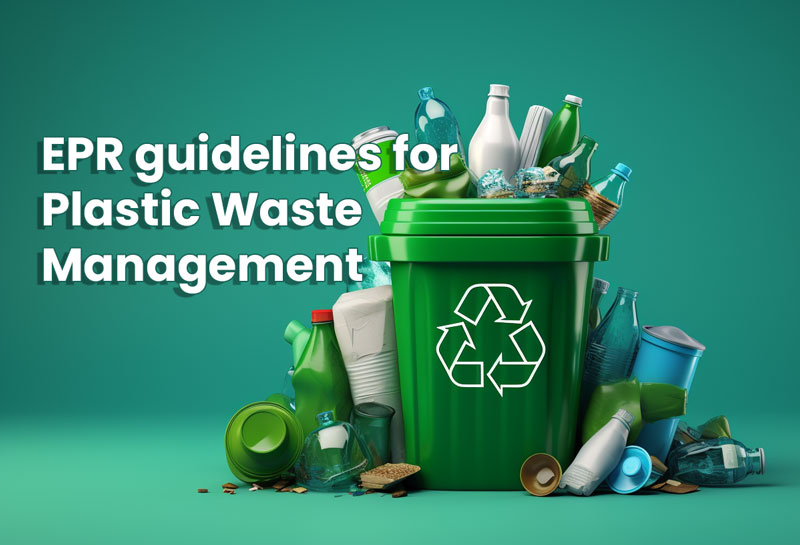
EPR Guidelines for Plastic Waste Management:
Posted: one year ago
A Step Towards a Cleaner Environment
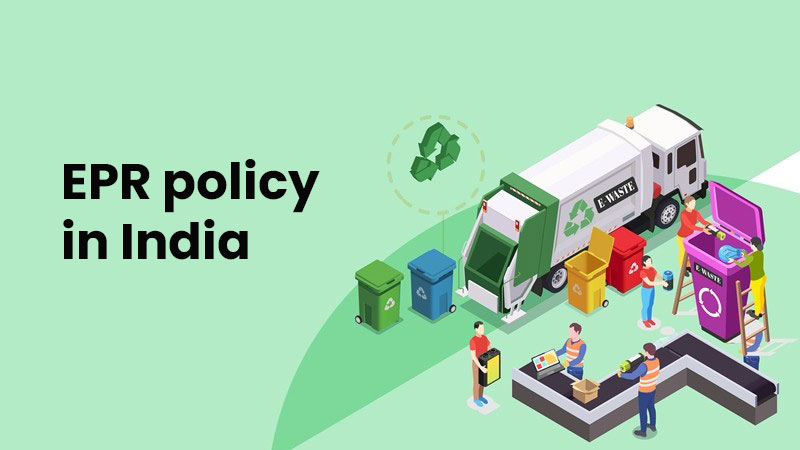
Extended Producer Responsibility (EPR) has emerged as a critical strategy in India’s efforts to manage plastic waste sustainably. Introduced under the Plastic Waste Management Rules, 2016, and updated in 2022, the EPR guidelines hold producers, importers, and brand owners (PIBOs) accountable for the entire lifecycle of plastic products, especially post-consumer waste.
What is EPR?
Extended Producer Responsibility (EPR) is a policy approach under which producers are given a significant responsibility—financial and/or physical—for the treatment or disposal of post-consumer products. The goal is to reduce the burden of plastic waste on municipalities and encourage the design of environmentally friendly products.
Key Features of EPR Guidelines for Plastic Waste
- Mandatory Compliance for PIBOs
The EPR guidelines apply to all Producers, Importers, and Brand Owners involved in the manufacture or use of plastic packaging in India. These entities must register on the centralized EPR portal managed by the Central Pollution Control Board (CPCB).
- Plastic Packaging Categories
The guidelines categorize plastic packaging into four groups:- Rigid plastic
- Flexible plastic (single-layer or multilayer)
- Multilayered plastic (used for food packaging)
- Compostable plastic
- Recycling and Reuse Targets
PIBOs are required to meet annual recycling targets for each category. They are also encouraged to promote the reuse of plastic packaging where feasible. The guidelines lay out a phased plan to achieve 100% plastic recycling by 2026-27.
- End-of-Life Disposal
For plastic that cannot be recycled, the guidelines promote co-processing in cement kilns, waste-to-energy, and road construction. Landfilling is considered a last resort and only allowed for non-recyclable plastic waste.
- Environmental Compensation
Non-compliance with EPR obligations can attract environmental compensation, calculated based on the quantity of plastic waste uncollected or not recycled. This ensures accountability and promotes responsible waste management practices.
Benefits of EPR for Plastic Waste Management
- Promotes Circular Economy
EPR fosters a circular economy by encouraging producers to design reusable and recyclable packaging. - Reduces Environmental Pollution
With clear responsibility placed on PIBOs, there is a reduction in plastic leakage into rivers, oceans, and landfills. - Strengthens Waste Management Systems
EPR encourages collaboration between private and public sectors, thereby improving infrastructure and efficiency in plastic waste collection and recycling. - Boosts Informal Sector Integration
The guidelines promote the inclusion of waste pickers and informal recyclers, offering them better working conditions and formal recognition.
Conclusion
The EPR guidelines for plastic waste management are a proactive step by the Indian government to tackle the growing problem of plastic pollution. By making producers accountable and setting clear recycling targets, the policy not only protects the environment but also creates opportunities for innovation and sustainable development. For India to achieve its vision of a plastic-free future, strict compliance and widespread awareness of EPR are essential.
Frequently Asked Questions
Who needs to comply with EPR for plastic waste?
Importers (bringing plastic-packaged goods into the country)
Manufacturers (producing plastic packaging materials).
What are the key obligations under EPR?
Collection & Recycling Targets – Producers must collect and recycle a certain percentage of plastic waste generated by their products.
Waste Management Plans – Submit plans for collection, recycling, or disposal.
Annual Reporting – Report progress on waste management to authorities..
What types of plastic waste are covered?
Flexible plastics (wrappers, pouches, films)
Multi-layered plastics (food packaging, sachets).
How are EPR targets set?
What happens if a company fails to meet EPR obligations?
Fines or penalties
Cancellation of EPR registration
Legal action under environmental laws.
Can producers hire third-party agencies for EPR compliance?
How can consumers contribute to EPR?
Choose products from brands that follow sustainable packaging.
Return plastic waste to collection centers..
